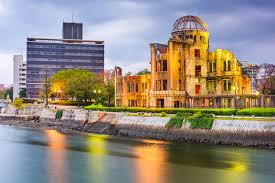
Why Hiroshima Deserves a Spot on Your Japan Itinerary
Hiroshima stands apart from other Japanese cities. While Tokyo dazzles with neon lights and Kyoto enchants with ancient temples, Hiroshima offers something unique: a city that transformed profound tragedy into a message of hope and peace.
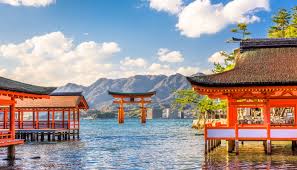
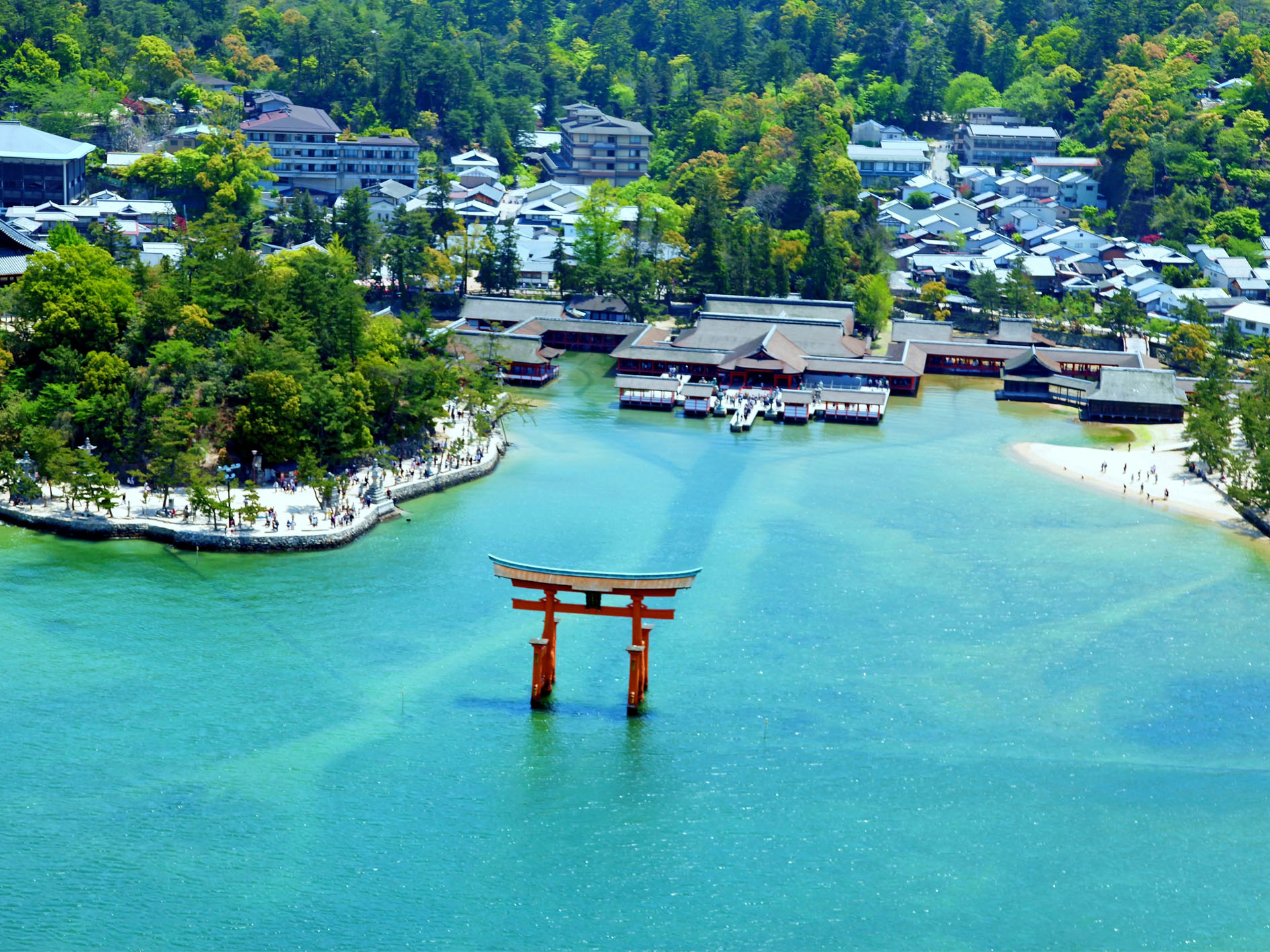
Beyond its historical significance, Hiroshima surprises visitors with vibrant food scenes, beautiful parks, and easy access to some of Japan's most scenic destinations. The city serves as the gateway to Miyajima Island, home to the iconic floating torii gate and friendly deer.
What Makes Hiroshima Special
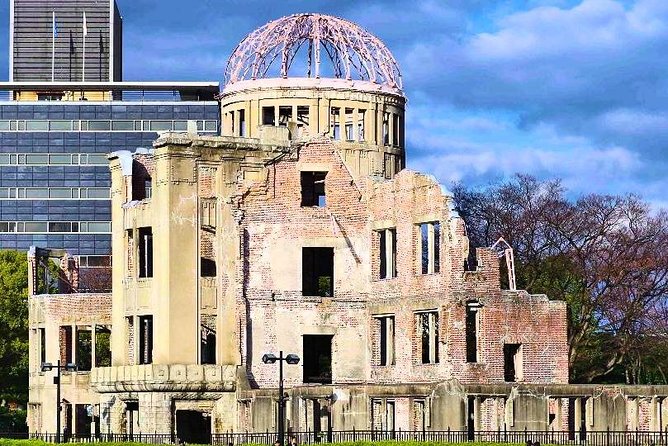
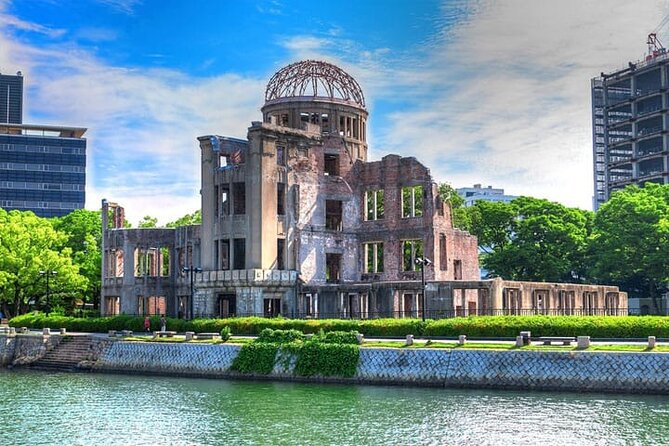
- Peace Memorial Park – The emotional heart of the city, featuring the haunting Atomic Bomb Dome (a UNESCO World Heritage Site) and moving museums that tell stories of survival and resilience
- Hiroshima-style Okonomiyaki – Unlike the Osaka version, Hiroshima's savory pancakes feature distinct layers of noodles, cabbage, and toppings
- Miyajima Island – Just a 45-minute ferry ride away, this sacred island with its floating torii gate is often the highlight of any Hiroshima trip
- Modern City, Historic Soul – Tree-lined boulevards, street cars, and a vibrant downtown blend seamlessly with memorials and castle grounds
Most visitors spend 1-2 full days in Hiroshima. A typical itinerary includes the Peace Memorial Park and Museum in the morning, a quick lunch of local okonomiyaki, and an afternoon trip to Miyajima Island. However, those who stay longer discover hidden gems like Shukkeien Garden, the Hiroshima Castle grounds, and the lively Nagarekawa entertainment district.
Planning Your Visit: Practical Tips
Hiroshima is well-connected by Japan's excellent rail network. The Shinkansen brings you here from:
- Tokyo – About 4 hours on the Nozomi or 5 hours on the Hikari (covered by JR Pass)
- Kyoto – Around 100 minutes by bullet train
- Osaka – Approximately 90 minutes by Shinkansen
- Fukuoka – Just 1 hour on the Sanyo Shinkansen
The city itself is easily navigated by its charming streetcar (tram) system, one of Japan's oldest and most extensive. A day pass costs just ¥700 and covers unlimited rides, including to the Miyajima ferry terminal.
Local Insight
Travel Editor, Hiroshima Tours
I've visited Hiroshima over 20 times, and my advice is always the same: don't rush the Peace Memorial Museum. Give yourself at least 2 hours. Many visitors underestimate its emotional impact and wish they had more time to reflect. Also, visit Miyajima in the late afternoon – you'll catch the sunset over the torii gate and avoid the day-tripper crowds.
Best Time to Visit Hiroshima
Hiroshima enjoys a mild climate year-round, but certain seasons offer special experiences:
- Spring (March-May) – Cherry blossom season transforms Peace Memorial Park into a pink wonderland. Book accommodations early.
- Autumn (October-November) – Pleasant temperatures and stunning fall colors, especially on Miyajima Island.
- Summer (June-August) – Hot and humid, but fewer crowds. The August 6th Peace Memorial Ceremony is deeply moving.
- Winter (December-February) – Mild compared to other Japanese cities. Fewer tourists means shorter queues everywhere.
Getting Around: Transportation Options
Hiroshima offers several convenient ways to explore:
- Hiroden Streetcar – The classic way to travel. Route 2 connects major sights including Peace Park and the JR Station.
- Hop-on Hop-off Bus – Tourist-friendly with English commentary. Learn about the Tourist Pass
- Bicycle – The flat terrain makes cycling ideal. Rental bikes are available near major stations.
- Walking – Most attractions in the city center are within walking distance of each other.